
Trying to decide whether to rent or sell your home? It’s a question many homeowners face, especially in shifting markets. While it might seem like a simple math problem, the answer often lies in what isn't immediately obvious.
Beyond monthly rent versus expenses, there are deeper financial dynamics that can make renting much more viable than it seems, or confirm that selling is the smarter route.
Below are three of the most commonly overlooked financial considerations: real cash flow, depreciation, and liquid reserves.
Real Cash Flow Isn’t Just Rent Minus Mortgage
A common mistake homeowners make is comparing rental income directly to monthly costs. For example, if your mortgage, taxes, insurance, and maintenance total $2,300, and the local rental market would bring in $1,900, it might seem like you're losing $400 each month.

But this is where real cash flow comes in.
If $500 of that mortgage payment goes toward paying down the principal, you're effectively building $500 in equity every month. In that case, your true monthly cash position is actually + $100.
And that’s before you factor in property appreciation or tax benefits. Over time, this positive cash flow, combined with equity growth, can significantly strengthen your long-term finances.
In some cases, landlords also forget to factor in how much they’ll spend annually on upkeep, tenant turnover, and vacancies. That’s why understanding costs landlords is critical.
Understanding Depreciation: A Tax Advantage Many Miss
Depreciation is one of the most powerful (and often underutilized) financial tools in real estate.
The IRS allows rental property owners to depreciate the structure over 27.5 years, essentially treating your home as if it’s wearing down, even if it isn’t. This "wear and tear" becomes a tax write-off, reducing your taxable income from the property.
This means that even if your rental appears to break even on paper, depreciation could lower your tax burden enough to make it profitable. The impact can be substantial, especially when paired with other deductions like mortgage interest, repairs, and property taxes.
Always consult a qualified CPA, as tax treatment varies depending on your broader financial picture.
This is explained in more detail within the context of residential rental property tax law.
Don’t Forget Liquid Reserves
Renting out a property isn’t just about collecting a check every month. It’s also about being ready for the unexpected.
Set aside at least three to six months of expenses in liquid reserves. Why? Because things happen, roof repairs, HVAC breakdowns, or tenant vacancies can hit hard.
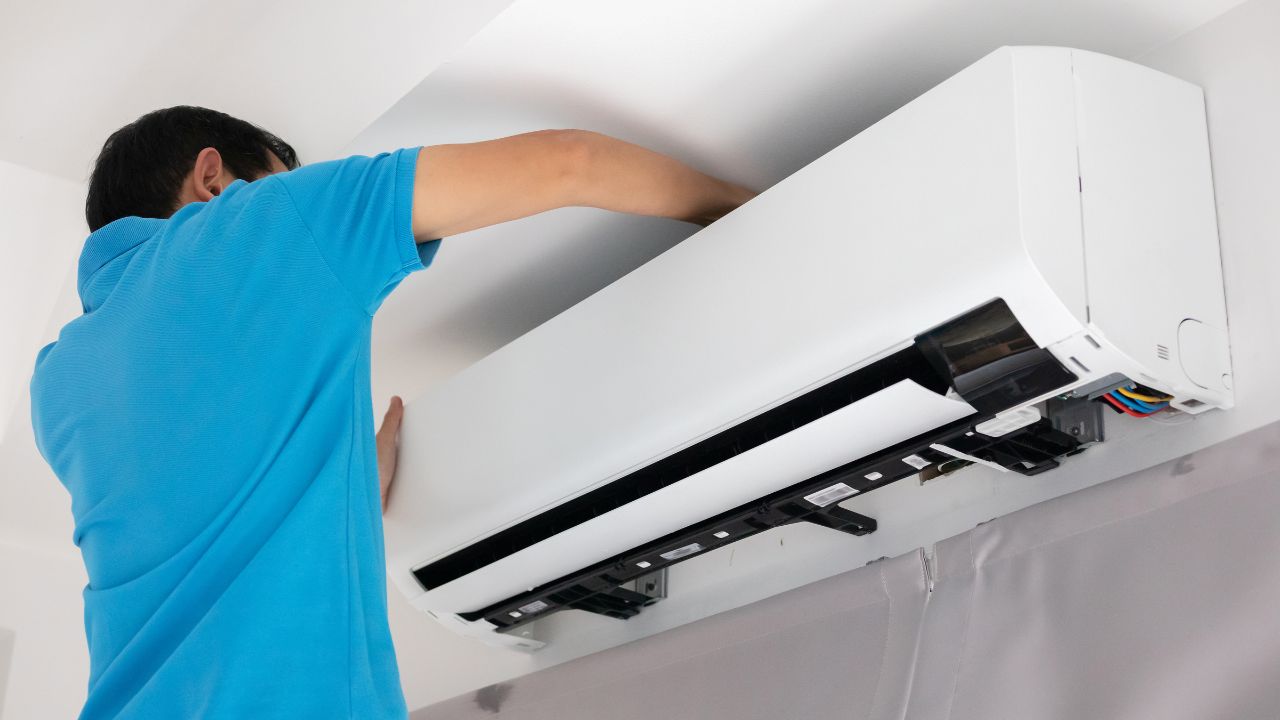
Having a financial buffer makes you better equipped to handle surprises without unnecessary stress, or having to sell at the wrong time. This principle is echoed in FEMA’s guidance on emergency financial preparation, which emphasizes the importance of financial readiness for homeowners.
When Selling May Be the Better Move
Renting isn’t right for everyone. There are situations where selling makes more sense, especially if:
You need immediate access to equity
You’re planning a large financial move (buying another home, paying down debt)
You have no interest in managing tenants, even with support
Market timing matters too. Some neighborhoods, like those in Tucson with strong rental demand, may favor renting. Others may be better suited for sellers, especially if demand is soft or the area is in transition.
Still Undecided? Consider the Market and Your Goals
In areas with strong rental demand, such as certain Tucson communities, holding onto your property could be a solid wealth-building strategy. In transitional or lower-demand neighborhoods, selling may be the more practical option.
Before making a decision, explore everything involved in renting out your house especially if it’s your primary residence.

If managing tenants or handling maintenance feels overwhelming, partnering with a property management company can take the stress off your plate. A skilled property manager can handle everything from tenant screening to repairs, letting you focus on the bigger picture.
For landlords who decide to rent on their own, attracting quality tenants is key. One effective way to do this is by furnishing your rental property thoughtfully, creating a welcoming, comfortable space can make all the difference, as highlighted in this post on tenant appeal.
Key Takeaways
Real cash flow includes equity buildup from your mortgage, not just rent minus expenses
Depreciation can turn a break-even property into a profitable one by lowering your taxable income
Liquid reserves are essential for managing unexpected expenses and reducing financial risk
Selling may be smarter if you need quick cash or prefer a clean break
Property management services can make renting easier for hands-off owners
Market conditions and personal financial goals should guide your final decision
Final Thoughts
There’s no one-size-fits-all answer when it comes to renting vs. selling your home. But once you account for overlooked factors like real cash flow, depreciation, and reserves, the best option for your situation tends to reveal itself.
Understanding your financial landscape, beyond just surface-level numbers, will help you make the most informed and confident decision possible. If you’re a homeowner in Tucson Foothills and want personalized guidance, contact us.