
Rental property owners often miss legitimate tax deductions simply because they misunderstand how rental expenses are classified. The difference between a deductible expense and a depreciated improvement can directly impact a property's annual cash flow.
For landlords and real estate investors, tax treatment affects net operating income, long-term property performance, and overall return on investment. Understanding how rental property deductions work allows owners to retain more income while maintaining accurate financial records.
Key Takeaways
Most routine operating expenses, such as maintenance, utilities, and management fees, can usually be deducted in the same year they are paid.
Capital improvements that increase property value or extend a building’s life must typically be depreciated rather than deducted all at once.
Residential rental properties are commonly depreciated over 27.5 years, spreading the tax benefit of major improvements over time.
Appliances, furniture, and equipment used in rental properties often follow shorter depreciation schedules, usually five to seven years.
The distinction between a repair and an improvement determines whether an expense is immediately deductible or must be depreciated.
Consistent financial record keeping helps landlords capture every eligible deduction and maintain accurate documentation at tax time.
Operating Expenses Are Deductible in the Year They Occur
Operating expenses are the day-to-day costs required to run and maintain a rental property. These expenses are typically deductible during the same tax year in which they are paid.
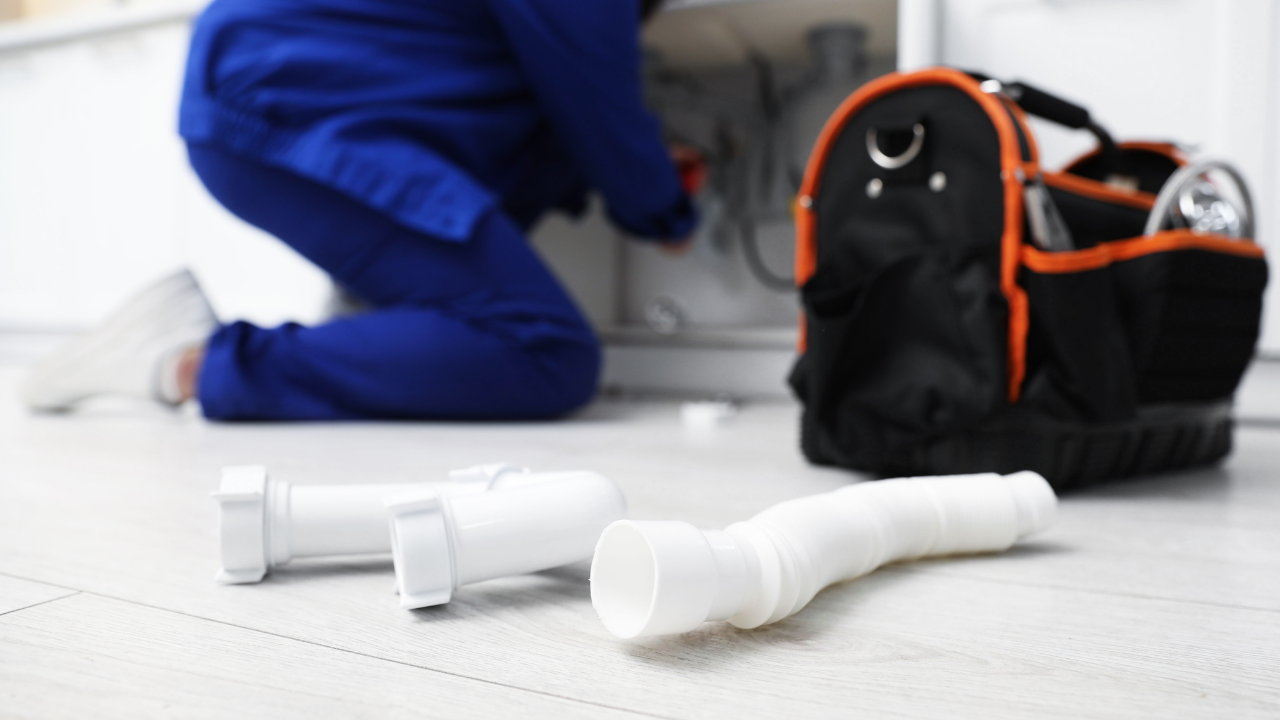
For most landlords, operating expenses represent the largest category of tax deductions because they relate directly to ongoing property operations.
Common deductible operating expenses include:
Minor repairs and routine maintenance
Landscaping and snow removal
Utilities paid by the landlord
Property management fees
Insurance premiums
Mortgage interest
Advertising and leasing costs
Professional services such as accounting or legal support
These expenses maintain the property's current condition rather than increase its value. Because they support ongoing operations, tax rules generally allow landlords to deduct them immediately.
Accurate documentation is critical. Receipts, invoices, and payment records help ensure expenses are properly categorized and reported.
Federal tax rules governing rental income and deductible expenses are defined in rental property income and expense reporting rules.
Financial planning for rental property owners often intersects with broader tax preparation considerations discussed in landlord tax planning strategies.
Capital Improvements Must Be Depreciated Over Time
Capital improvements are investments that increase a property's value, extend its useful life, or adapt it for a new purpose. These expenses are not typically deducted in full during the year they occur.
Instead, they must be depreciated.
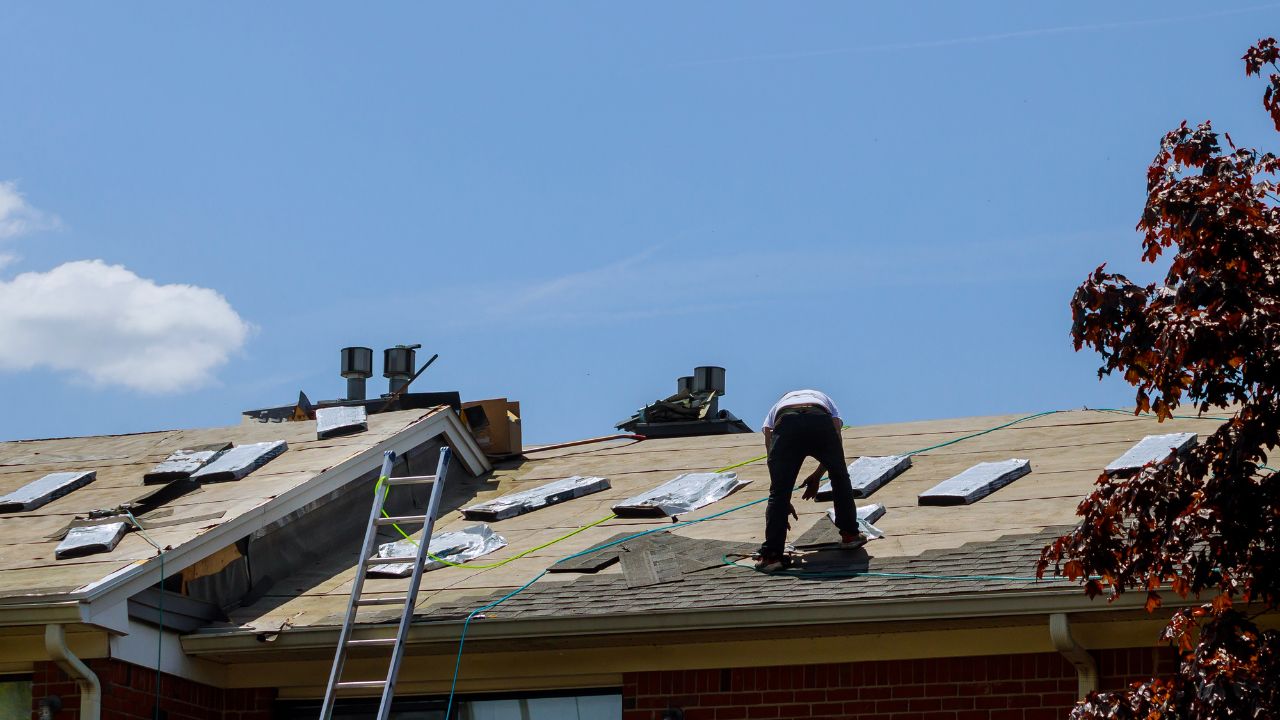
Depreciation spreads the deduction across multiple years based on the asset's expected lifespan.
Typical capital improvements include:
Roof replacements
HVAC system installations
Kitchen renovations
Bathroom remodels
Structural upgrades
Residential rental buildings are generally depreciated over 27.5 years under federal tax rules.
Depreciation is a tax method that allows landlords to deduct the cost of property improvements gradually over the asset's useful life rather than all at once.
This treatment aligns the tax deduction with the long-term benefit provided by the improvement.
Real estate depreciation reduces taxable income by allowing property owners to deduct a portion of a building's cost over time, even while the asset may appreciate in market value, a tax principle commonly discussed in real estate depreciation principles.
Appliances and Furnishings Typically Depreciate Over Five to Seven Years
Assets inside a rental property often have shorter depreciation schedules than the building itself.
Common depreciable assets include:
Refrigerators
Stoves and ovens
Dishwashers
Washers and dryers
Furnishings used in furnished rentals
These items are typically depreciated over a five-to-seven-year period depending on classification.
For furnished rental properties, depreciation of appliances and furnishings can create meaningful deductions during the early years of ownership.
Maintaining an asset register helps landlords track equipment purchases, calculate depreciation correctly, and maintain accurate financial records.
The Difference Between Repairs and Improvements Determines Tax Treatment
The distinction between a repair and an improvement determines whether an expense can be deducted immediately or must be depreciated.

A commonly used operational rule is simple.
If the work restores the property to its original condition, it is usually considered a repair.
If the work upgrades the property or extends its useful life, it is generally classified as an improvement.
Example Comparison
Example Comparison
Fixing a leaking pipe — Repair and immediately deductible
Replacing damaged drywall — Repair and immediately deductible
Installing a new HVAC system — Capital improvement
Remodeling a kitchen — Capital improvement
Misclassification can lead to inaccurate deductions and compliance issues during tax reviews.
Federal standards governing capitalization of property improvements are defined in capitalization rules for property improvements.
Financial decisions related to property financing can also affect long-term tax planning, including considerations surrounding rental property mortgage refinancing.
Organized Record Keeping Protects Rental Property Owners

Consistent record keeping ensures landlords capture every eligible deduction while maintaining accurate financial documentation.
Well-organized records allow owners to:
Track operating expenses throughout the year
Distinguish between repairs and capital improvements
Maintain documentation supporting tax filings
Financial records also help property owners evaluate property performance metrics such as operating costs, maintenance spending, and profitability.
Broader economic conditions can influence investment decisions and property financing strategies, including trends discussed in rising interest rates and rental property investments.
FAQ
What rental property expenses are immediately deductible?
Routine operating costs such as maintenance, utilities, property management fees, insurance, advertising, and mortgage interest are typically deductible in the same tax year they occur.
What is depreciation in rental property taxes?
Depreciation is a tax method that spreads the cost of a property or improvement across multiple years based on its useful life.
Why does the repair versus improvement distinction matter?
Repairs restore a property's existing condition and are usually deductible immediately. Improvements increase value or extend the property's life and are generally depreciated.
Final Thoughts
Tax deductions represent one of the most important financial advantages of owning rental property. However, many landlords overlook legitimate deductions simply because they do not fully understand how operating expenses, repairs, and capital improvements are classified.
Clear financial documentation and proper expense classification help ensure accurate tax treatment and stronger long-term investment performance.
For rental property owners in Southern Arizona, Tucson Foothills Properties works with landlords and investors every day who are focused on protecting income, maintaining their properties, and making informed financial decisions about their rental investments.
Understanding how deductions and depreciation function within a rental portfolio helps owners keep more of their income while maintaining compliant financial records year after year.