Managing your own rental property can seem straightforward at first, but in practice, it requires structure, consistency, and a clear understanding of your responsibilities. From legal compliance to tenant screening and maintenance, each step plays a role in protecting your investment and ensuring long-term profitability.
At Tucson Foothills Properties, we regularly work with property owners who start out self-managing and quickly realize how important it is to have the right systems in place. With the right approach, self-management can absolutely work, but it needs to be done like a professional from day one.
Understanding Legal Responsibilities Comes First

Before anything else, landlords need to understand the legal framework they operate in. This includes lease requirements, security deposit limits, eviction procedures, and fair housing compliance.
Even managing one property means you are fully responsible for following the law. Missteps can lead to fines, disputes, or legal exposure.
Many landlords overlook how detailed these requirements are. For example, fair housing laws and tenant rights protections set strict guidelines on how tenants must be treated throughout the leasing process.
This is not optional knowledge. It is foundational.
Building a Strong Lease Agreement
A lease is more than a formality. It is the backbone of your entire operation.
A well-structured lease should clearly define:
- Rent amount and due dates
- Late fees and enforcement
- Maintenance responsibilities
- Rules around pets and guests
- Notice periods and termination terms
Generic templates often miss important regional requirements. A lease should be tailored to your market and reviewed professionally.
For landlords considering flexibility, understanding how month-to-month rental agreements function in practice can help you decide whether short-term leasing aligns with your goals.
Clarity upfront prevents conflict later.
Marketing Your Property Effectively
Vacancy is one of the biggest threats to profitability. The goal is not just to fill a unit quickly, but to attract the right tenant.
Strong marketing includes:
- High-quality photos that highlight space and features
- Accurate, detailed listings
- Distribution across major platforms
- Local context that makes the property stand out
Details matter. Proximity to schools, employers, or amenities can influence demand more than generic descriptions.
Pricing strategy also plays a role. Many landlords still evaluate performance using rental yield and cap rate benchmarks to determine if their pricing aligns with market expectations.
Marketing is not just exposure. It is positioning.
Tenant Screening Is Where Most Mistakes Happen

Rushing tenant screening is one of the most common and costly errors.
A proper screening process includes:
- Credit checks
- Income verification
- Rental history review
- Reference checks
Consistency is critical. Screening must follow the same process for every applicant to remain compliant with fair housing regulations.
A single poor tenant decision can lead to missed rent, property damage, and legal headaches. This step deserves time and discipline.
Setting Up Efficient Rent Collection Systems
Rent collection should be simple, trackable, and consistent.
Best practices include:
- Online payment systems
- Clear communication of due dates
- Automatic late fee enforcement
- Avoiding cash payments
Digital systems create accountability for both landlord and tenant. They also simplify recordkeeping, which becomes essential during tax season.
Understanding how rental property tax deductions can impact your net income helps connect rent collection with long-term financial performance.
If the system is unclear, payments become inconsistent.
Maintenance Is Not Just Reactive
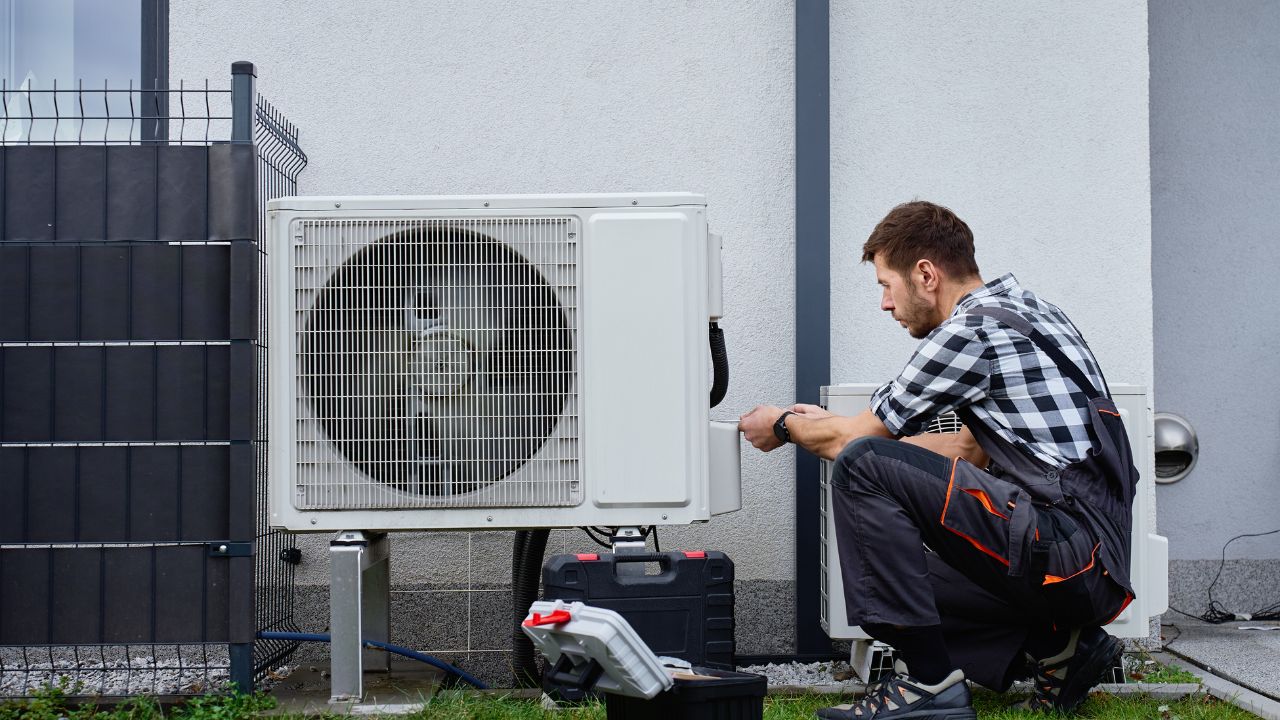
Maintenance is often treated as a response to problems. In reality, it should be proactive.
A structured approach includes:
- Routine inspections
- Seasonal maintenance planning
- Vendor relationships established in advance
- Budgeting for long-term repairs
Preventative maintenance protects property value and improves tenant retention.
For example, HVAC systems, roofing, and plumbing are not “if” expenses, they are “when” expenses. Planning ahead reduces stress and avoids emergency costs.
Recordkeeping Protects You More Than You Think
Good recordkeeping is one of the most overlooked aspects of property management.
You should maintain organized records for:
- Lease agreements
- Rent payments
- Maintenance requests
- Expense receipts
This is not just about taxes. It protects you during disputes and creates a clear operational history.
For investors scaling their portfolio, understanding how financing decisions affect long-term property performance becomes easier when records are clean and accessible.
Disorganization creates risk.
When Self-Management Becomes Overwhelming
Self-managing can work well, especially for landlords with one or two properties. But as responsibilities grow, so does the complexity.
Common pressure points include:
- Legal compliance
- Time demands
- Maintenance coordination
- Tenant communication
At a certain stage, the question shifts from “Can I manage this?” to “Should I?”
Many landlords transition to professional management not because they cannot handle it, but because their time becomes more valuable elsewhere.
Key Takeaways
- Legal knowledge is the foundation of responsible property management
- A strong lease agreement prevents most disputes before they start
- Marketing should focus on attracting the right tenant, not just filling vacancy
- Thorough tenant screening reduces long-term risk
- Online rent collection systems improve consistency and tracking
- Proactive maintenance protects both property value and tenant satisfaction
- Organized records simplify taxes and reduce legal exposure
- Self-management works best with clear systems and boundaries
Final Thoughts
Self-managing a rental property is less about doing everything yourself and more about building systems that keep everything running smoothly. When you stay organized, follow the law, and approach each decision with consistency, you put yourself in a strong position to succeed long term.
At the same time, there is a reason many landlords eventually look for support. As portfolios grow and responsibilities increase, the day-to-day management can start to take time away from higher-level decisions. At Tucson Foothills Properties, we help property owners transition from reactive management to a more structured, stress-free approach, whether they are fully hands-off or simply need guidance along the way.
Legal Disclaimer
The information provided here is for general informational purposes only and should not be considered legal, financial, or professional advice. Laws and regulations related to rental properties vary by location and may change over time. Property owners should consult with a qualified attorney, accountant, or licensed property management professional to ensure compliance with local, state, and federal regulations.